Grammar Blog
English Grammar Tips: Practical Tips for Clear and Confident Communication
Grammar doesn’t have to be about memorizing endless rules! This blog focuses on practical, real-world tips on English grammar that enhance clarity and confidence in communication. Whether you’re writing emails, delivering presentations, or having conversations, our straightforward explanations and examples will help you use grammar effectively—so it works for you, not against you.
Categories
Recent Posts
-
The Present Perfect Continuous Tense
The Present Perfect Continuous tense is used to describe actions that started in the past and are still continuing, or actions that have recently stopped but have a result in the present. It emphasizes the duration or ongoing nature of the activity. This tense is great for expressing actions that have been in progress for…
-
The Present Perfect Tense
The Present Perfect tense is used to describe actions that started in the past and have relevance to the present. It connects past actions or experiences to the present moment. This tense is commonly used to express things we have done at an unspecified time in the past, or actions that started in the past…
-
The Present Continuous Tense
The Present Continuous tense is used to describe actions that are happening right now or around the present time. It’s also used for temporary situations or future plans. This tense helps express actions in progress, changes, or things happening during a specific time frame. Form of the Present Continuous: Subject Positive Form Negative Form Question…
-
The Present Simple Tense
Understanding the Present Simple Tense The Present Simple tense is one of the most commonly used tenses in English. It’s used to describe regular actions, facts, habits, or routines. Form of the Present Simple: Subject Positive Form Negative Form Question Form I/You/We/They work, play, eat don’t work, don’t play Do I/you/we/they work? He/She/It works, plays,…
-
“Have/Has” vs. “Had Been”
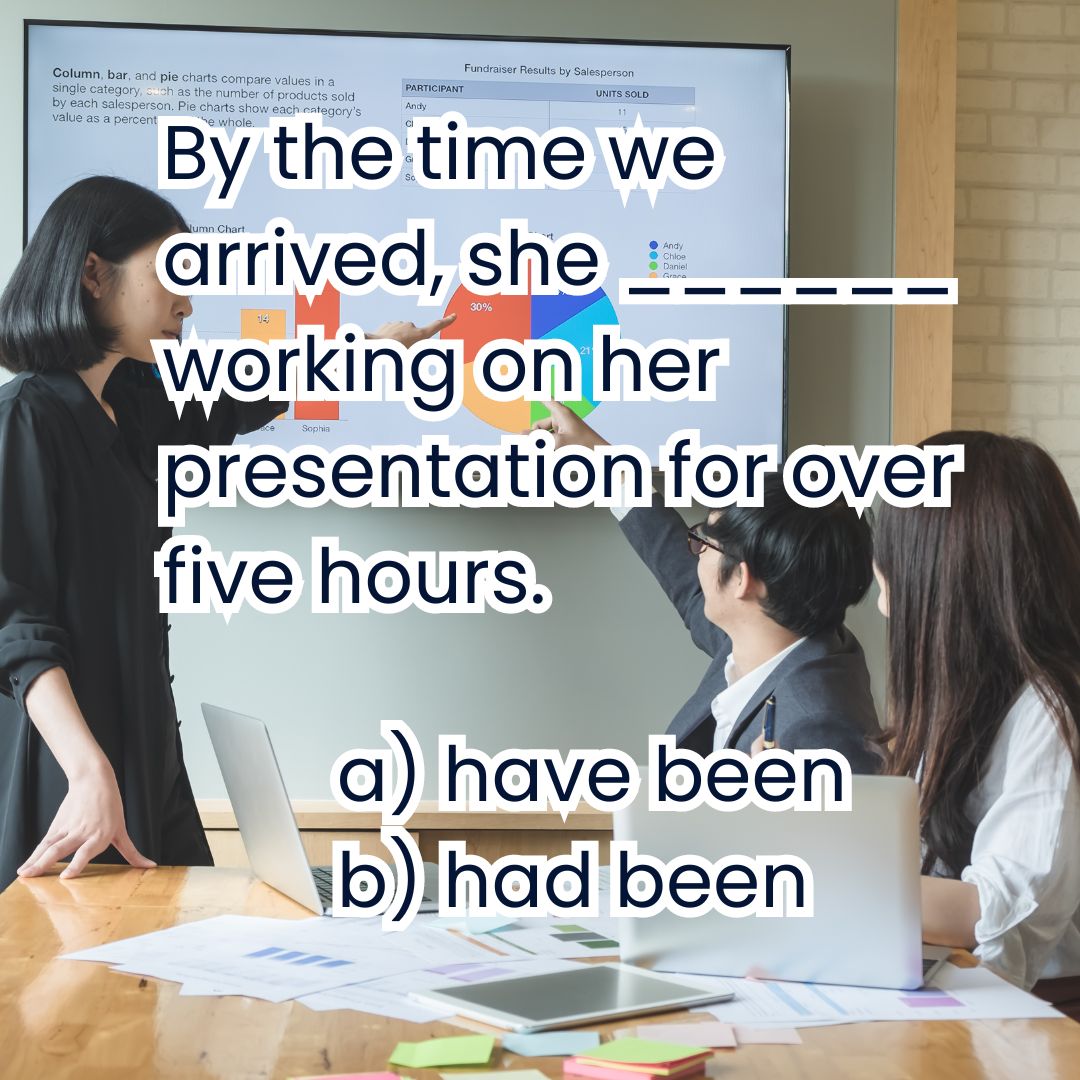
In English grammar, understanding the nuances of verb tenses can be a bit tricky. One common area where confusion arises is with the perfect tenses, specifically the difference between ‘have/has been’ and ‘had been’. These phrases are used to indicate actions or states of being in relation to time, but they serve different purposes and…
-

Past Habits and Actions with “Used to” and “Would”
When recounting past habits and actions, English speakers often grapple with the nuances between “used to” and “would.” Both expressions serve to describe repeated actions or states in the past, but they are used differently and can subtly alter the meaning of a sentence. Let’s explore how to use each one effectively. “Used to” The…
-

English Tenses for Job Interviews
In the competitive landscape of job interviews, effective communication is key. Beyond showcasing qualifications and experience, mastering the nuances of English tenses can significantly enhance your ability to articulate your professional journey. 1. Past Tense: When talking about your last job. When recounting past roles, and responsibilities, the past tense reigns supreme. Use it to…
-

The Past Perfect and Past Perfect Progressive in Storytelling
Hey there! Have you ever found yourself struggling to express events that happened before other events in the past? Look no further! In this article, we’ll dive into the wonderful world of the past perfect and past perfect progressive tenses, giving you practical examples and situations to help you wield these powerful storytelling tools with…
-

Give updates and report progress with the Present Perfect
Hey there! Have you ever noticed that we often use the present perfect tense to give updates on events or plans? If you know me, you know that I like to teach grammar in context rather than grammar rules. Grammar rules are often confusing and studying them meticulously can actually have the opposite effect on…
-

How to Talk About the Future Like a Pro: Will, Going to, and Present Continuous
Are you ready to talk about the future like a boss? Whether you’re making plans or predicting what’s to come, there are three common ways to express yourself in English: will, going to, and present continuous. But how do you know which one to use? Let’s explore each of them and find out! Will: The…